Caracol “Snail”
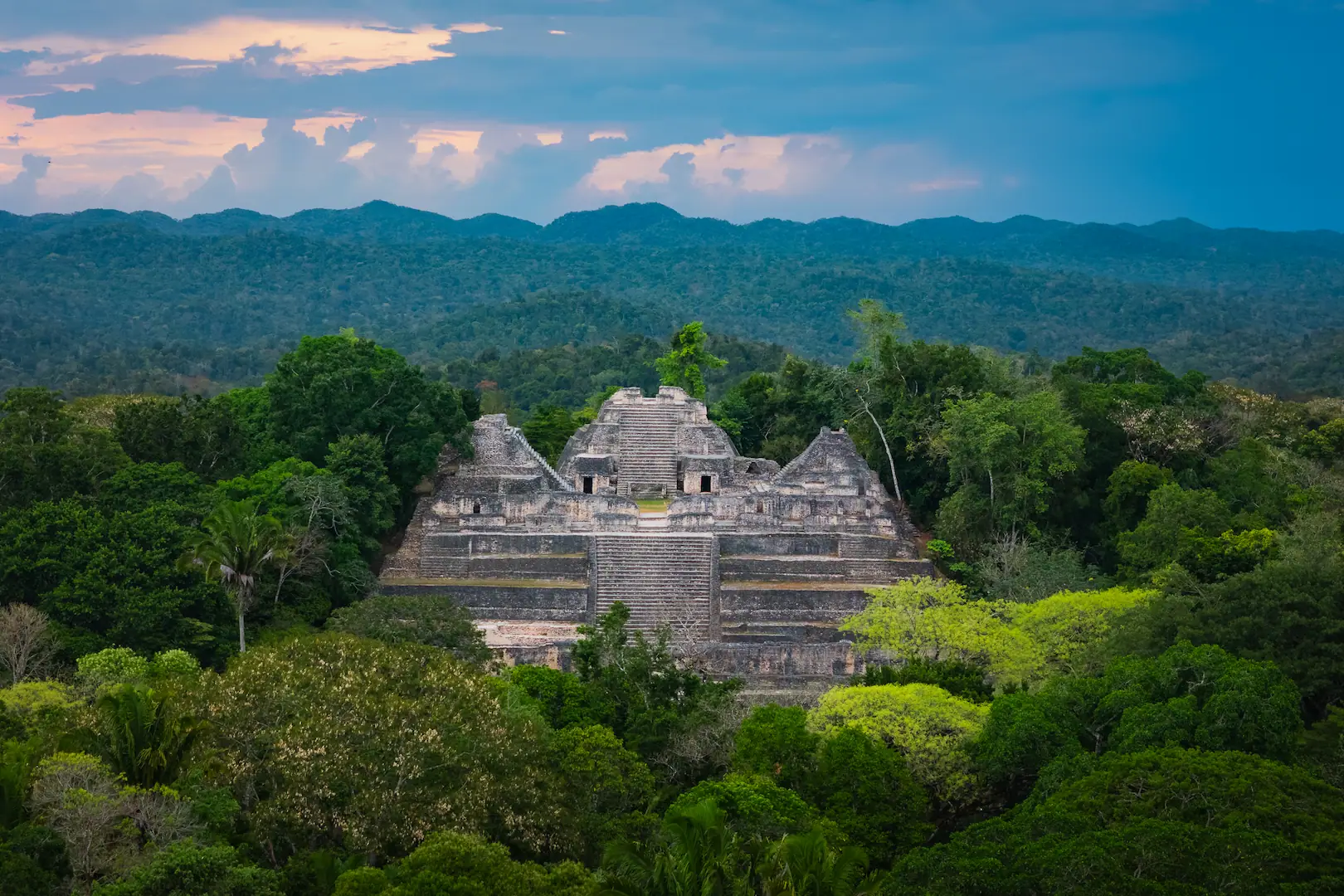
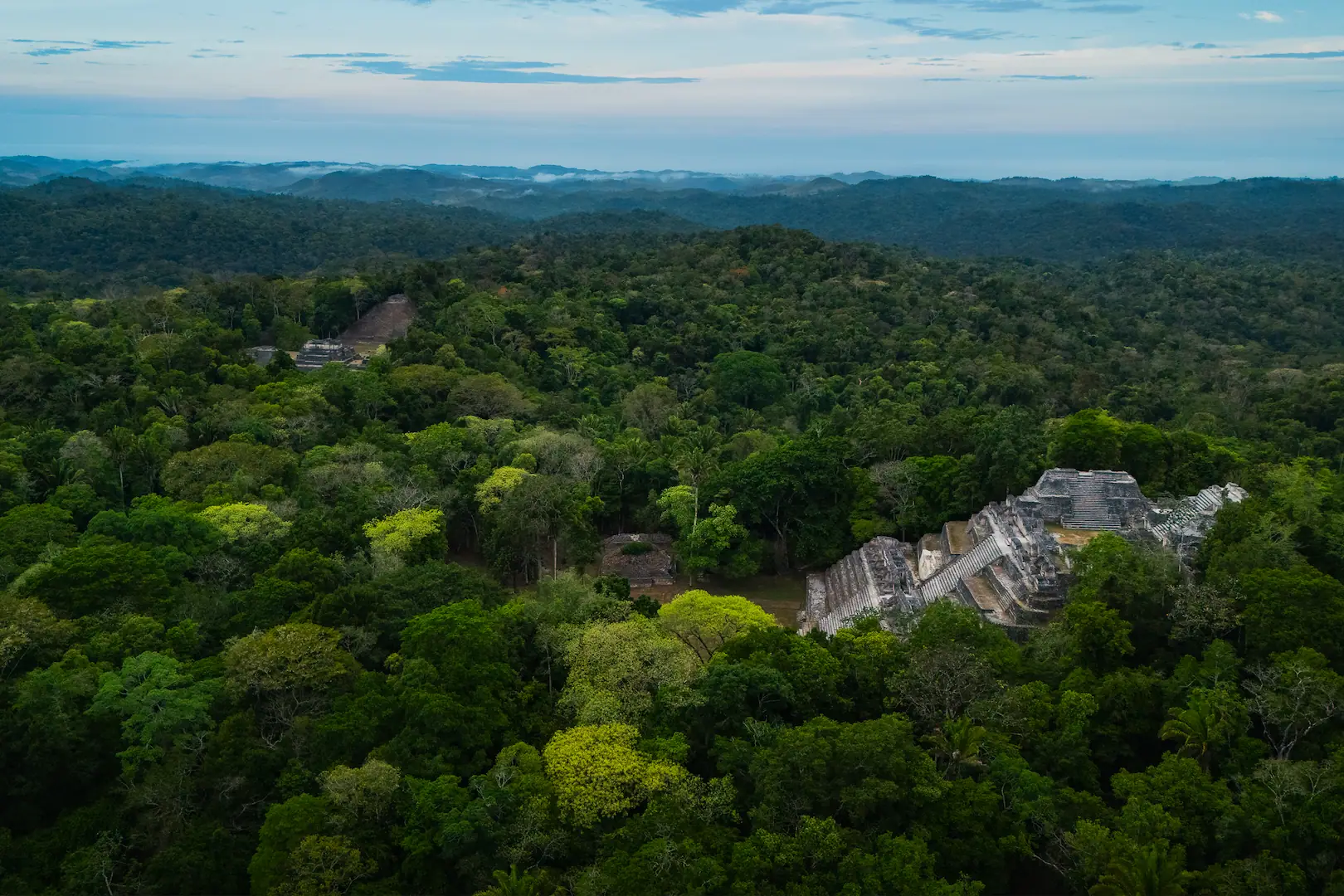
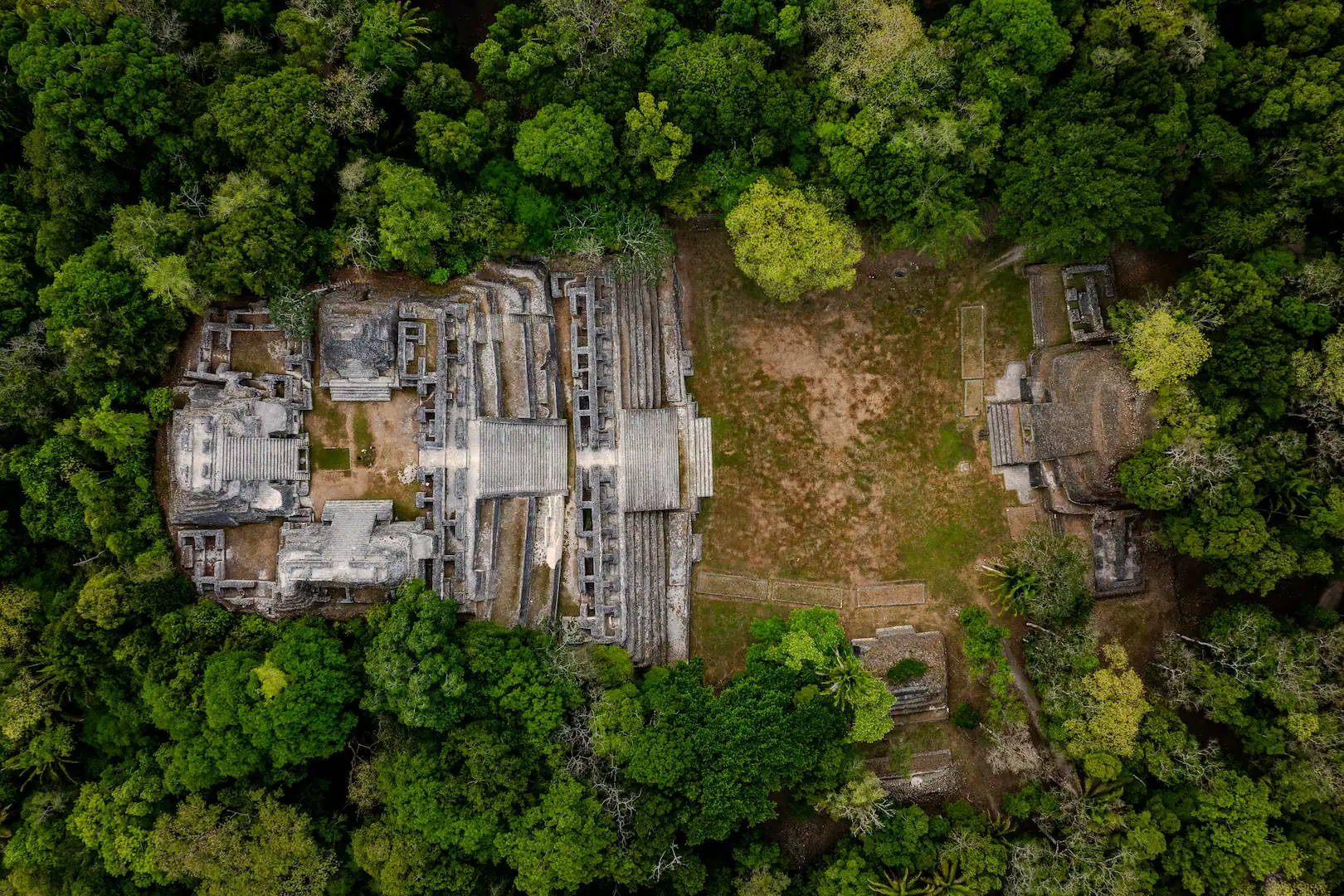
Located deep within Belize’s Chiquibul Forest Reserve, Caracol is the largest known Maya archaeological site in Belize and one of the most impressive ancient cities in the Maya world. During the Classic Period, this vast urban center extended across approximately 55 square miles and may have supported a population of more than 100,000 people.
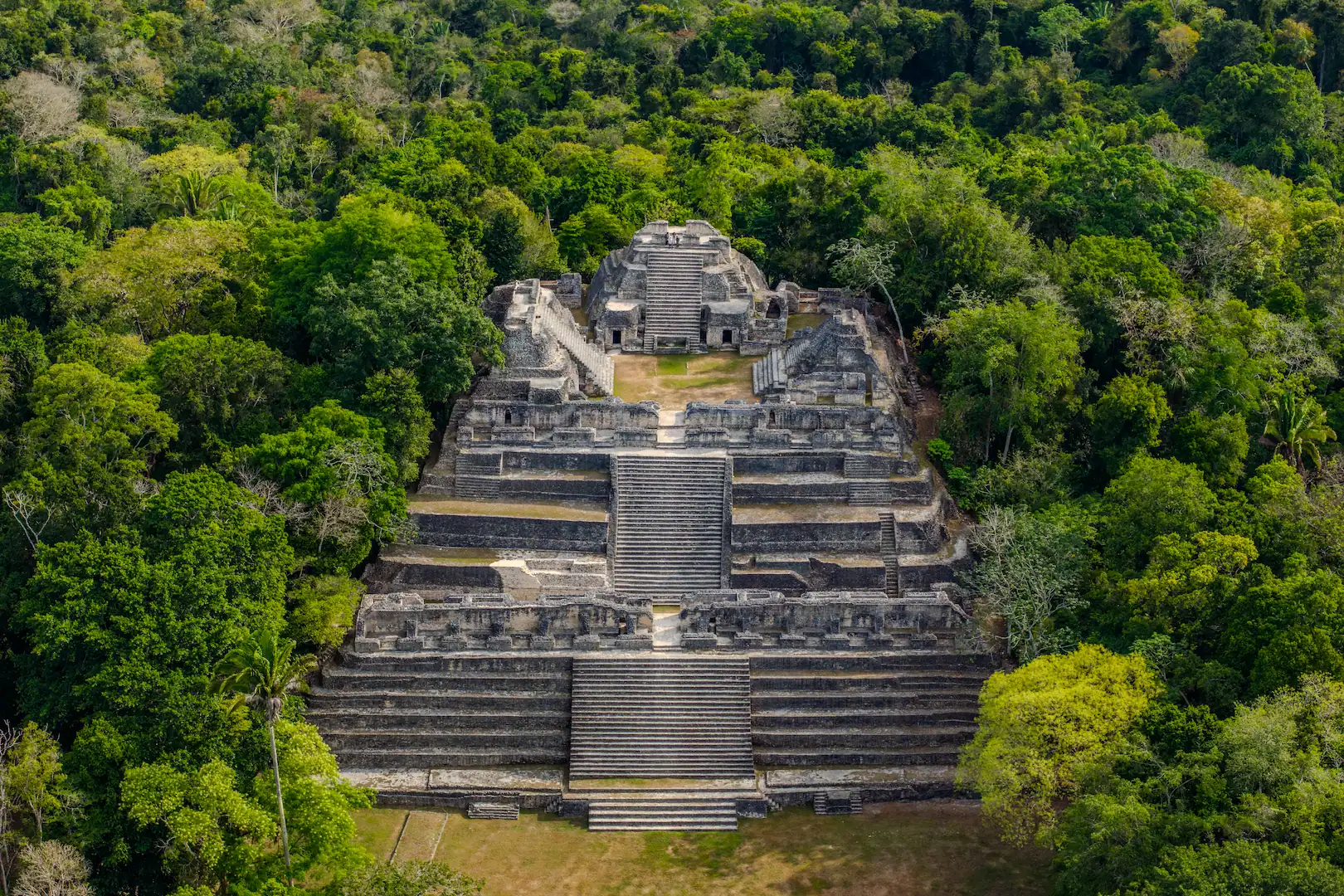
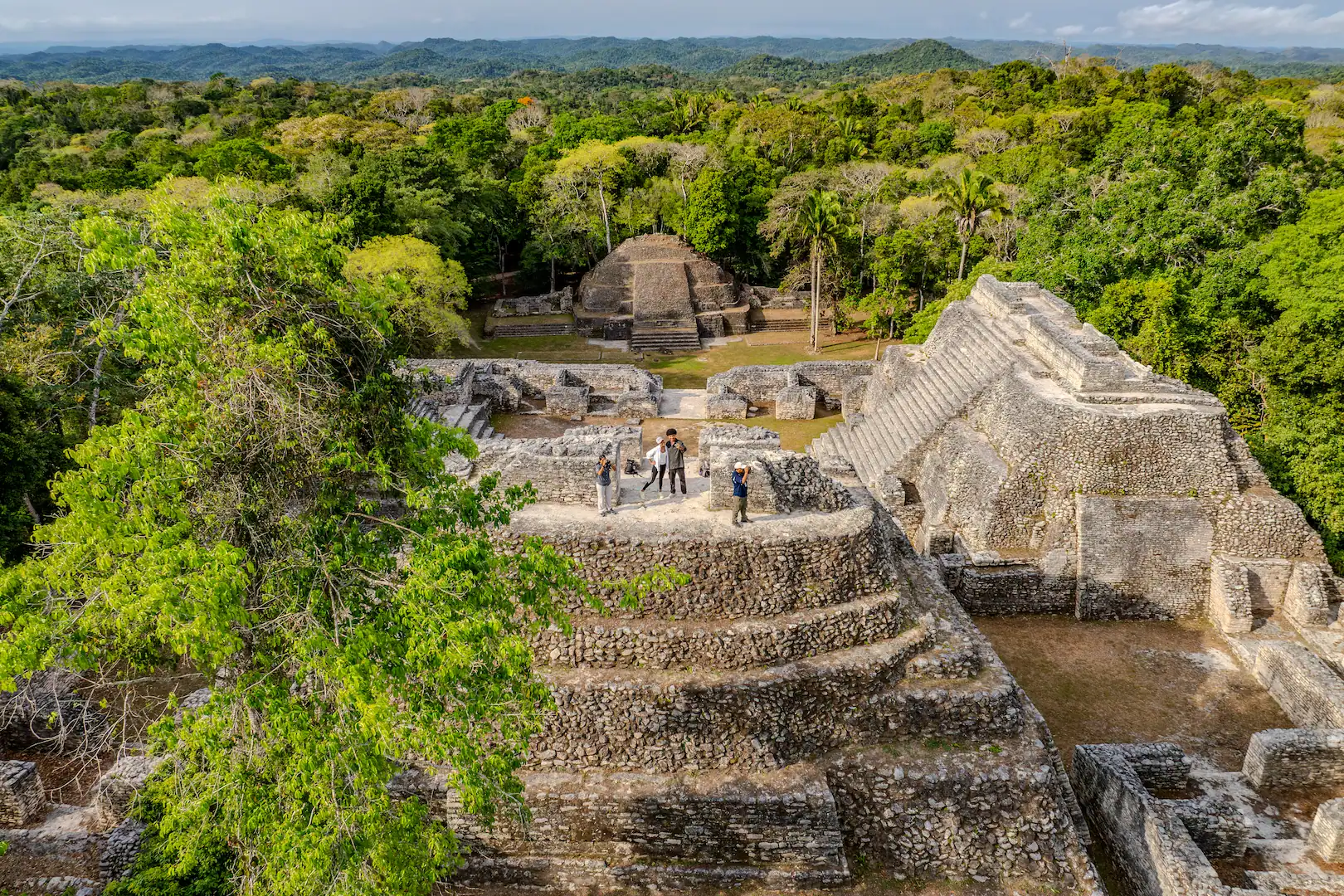
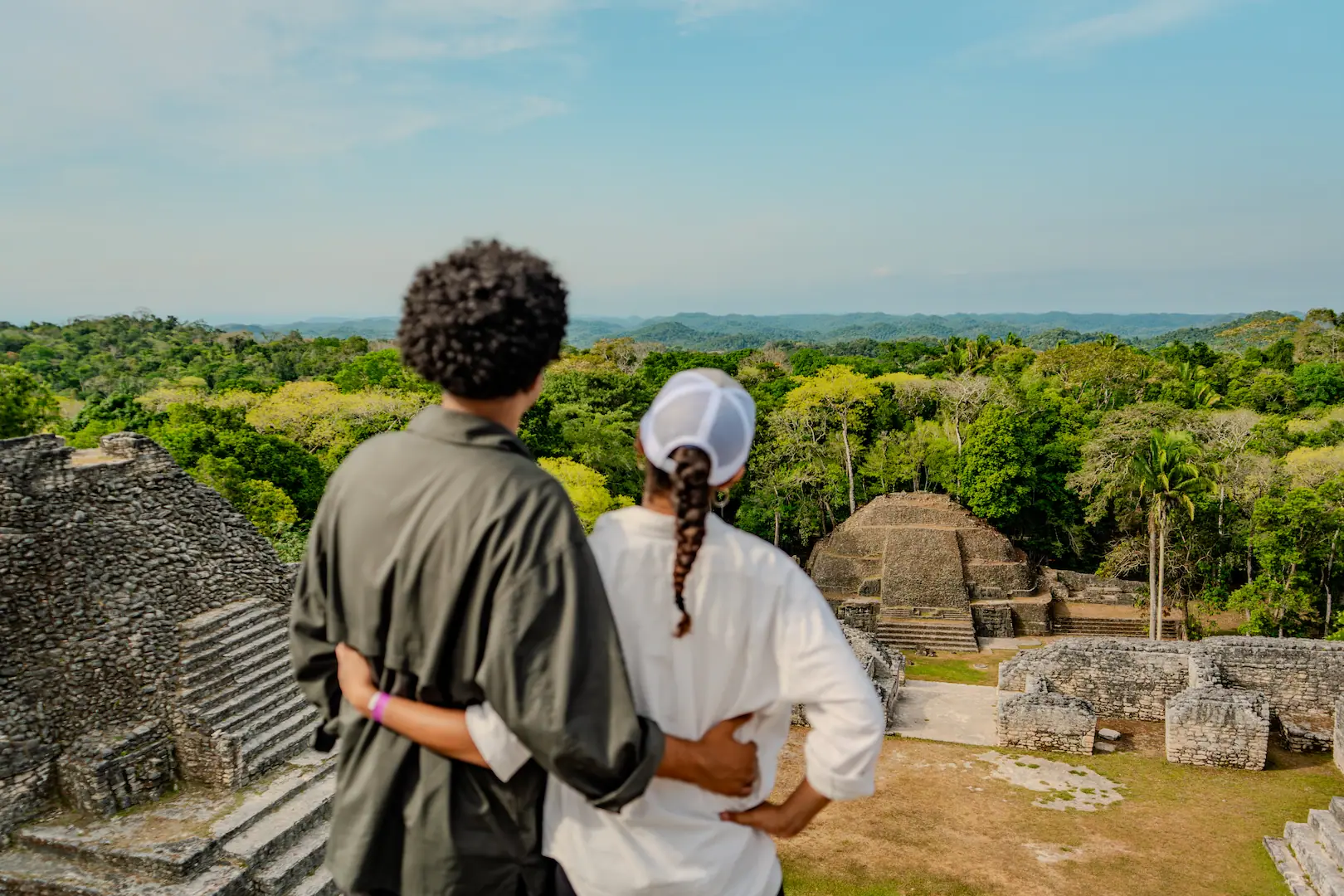
Caracol’s monumental center was connected to surrounding communities by an extensive network of sacbeob, or elevated white roads. Its most iconic structure, Caanam, meaning “Sky Place,” rises approximately 42 meters above the plaza and remains the tallest human-made structure in Belize.
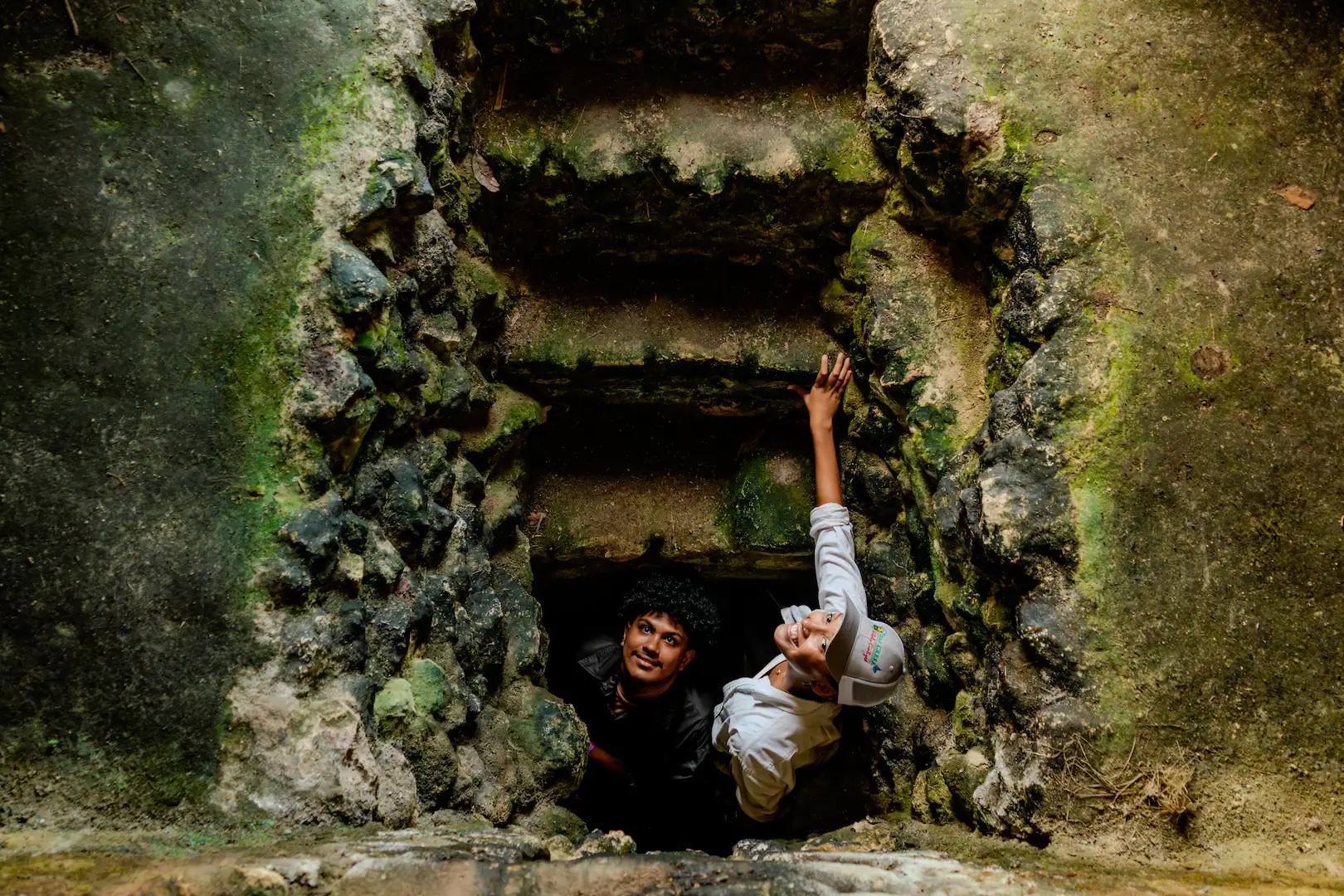
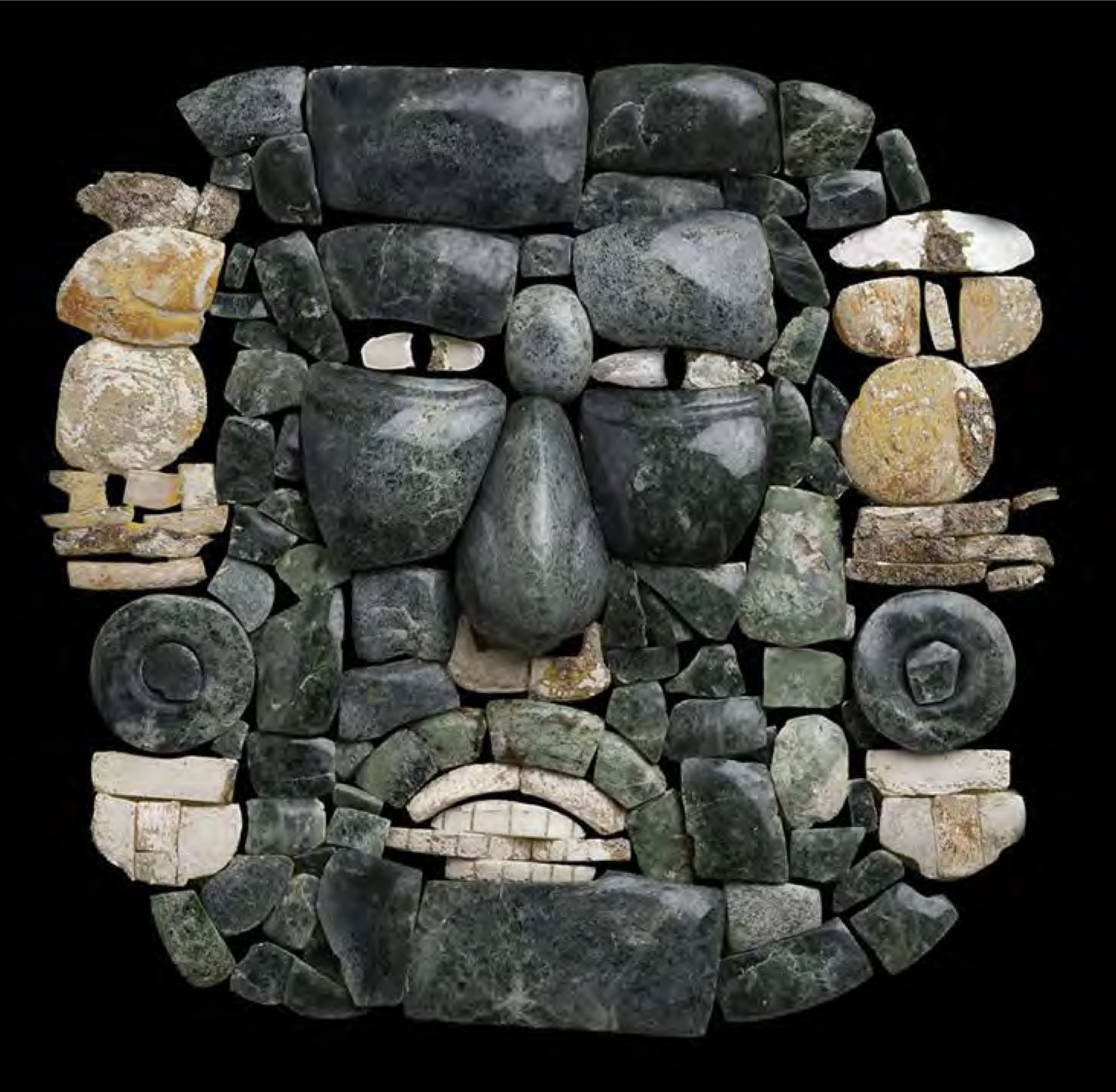
Archaeological work at Caracol continues to reveal remarkable chapters of Belize’s ancient history. During the most recent excavations, researchers discovered a royal tomb believed to belong to Te’ Kab Chaak, the founder of Caracol’s ruling dynasty around AD 331. The chamber contained extraordinary ceremonial objects, including a jadeite mosaic mask, jade ear ornaments and beads, carved bone objects, shells, and 11 pottery vessels. Some vessels feature imagery never previously documented in the Maya world, offering new insight into Caracol’s early rulers, trade connections, beliefs, and political influence.
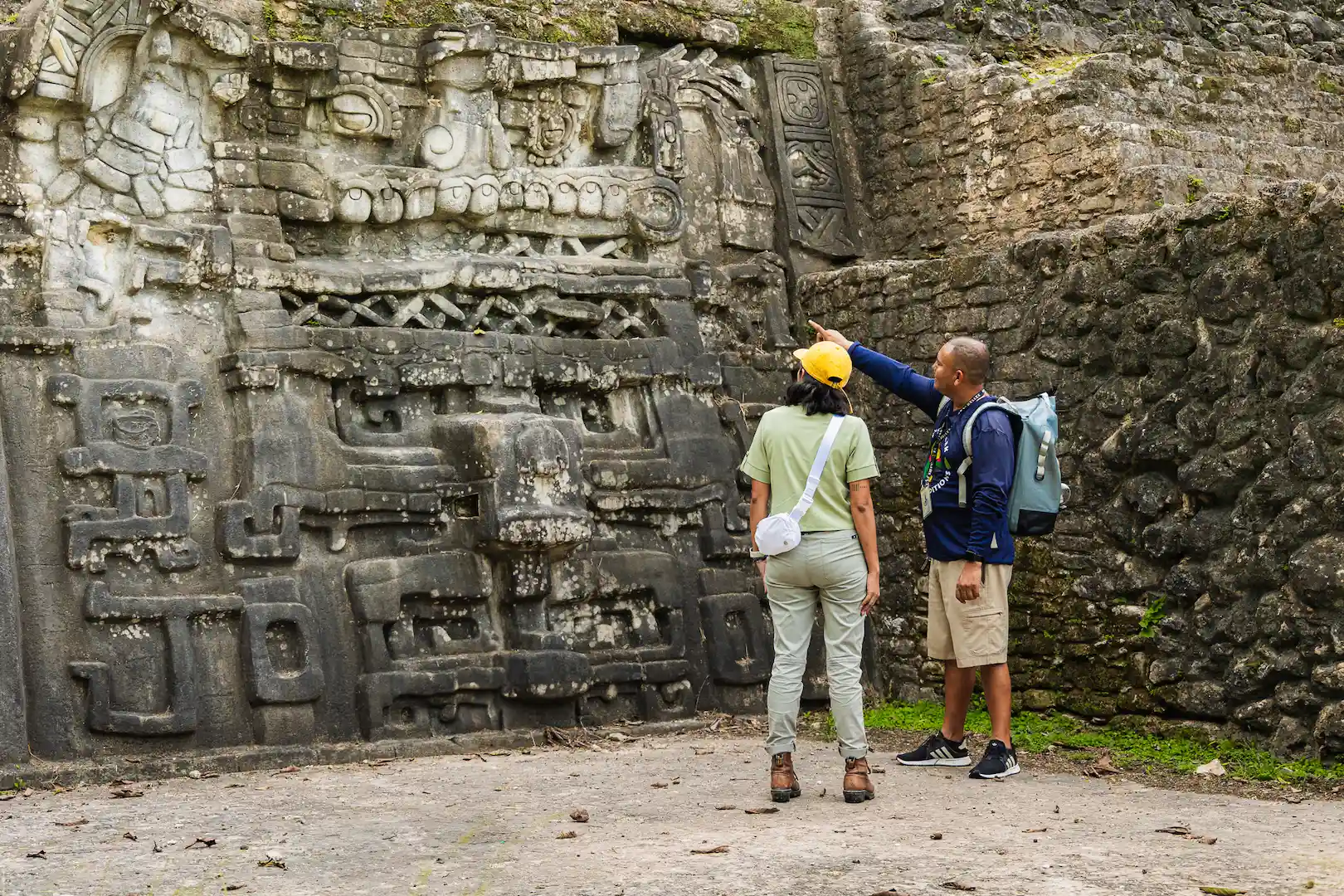
With more than 70 formal tombs uncovered and hieroglyphic texts recorded on stelae, altars, ball-court markers, capstones, and building façades, Caracol remains an active archaeological site where new discoveries continue to reshape our understanding of the ancient Maya.
The surrounding forest is equally captivating. Ocellated Turkeys are frequently seen around the site, while the wider region provides exceptional opportunities for birdwatching and observing Belize’s rainforest wildlife.